
The Bag That Stays in the Cab
At the end of the day's driving, a two-story motel on the edge of a desert town offers a bed, thin walls, and the sound of the highway.
Ten o'clock at night, and the vacancy sign is the only lit rectangle on the strip. The office door stands open to the desert dark, propped there with a rubber wedge. A man crosses the asphalt with a duffel in one hand and his keys in the other. The second bag — the square one with the zipper that looks like it holds something that matters — stays on the passenger floorboard of the truck, where he left it before he got out.
The office smells of coffee that burned off hours ago. The clerk watches through the glass until the man is close enough to see, then slides a registration form across the counter. The pen is chained to the counter. The man writes his name and the truck's license plate, takes the brass key on the green plastic diamond, and goes back out to the stairs. The truck is parked nose-in under the room's window, close enough to watch from the bed when he wakes in the night.
The ice machine is already running at the top of the stairs, and it will still be running at four in the morning.

The two bags
The duffel comes in. That is the contract of the place. Inside it: one clean shirt for tomorrow, a shaving kit, a phone charger, the little bottle of pills from the drugstore in the last town, a paperback with the spine broken at its halfway point. The duffel is small enough to carry one-handed, and that is the whole test of it. Anything that does not fit stays in the cab. The tool bag stays. The box of receipts stays. The square bag stays, on the floorboard where the driver can see it through the windshield, and the cab locks with the double click that carries up to the walkway.
The room is the same room he has slept in for twenty years, give or take a state line. Two beds, one of them untouched. A bedspread the color of nothing in particular. An air conditioner under the window that comes on and goes off all night like a large, untroubled animal. The television is bolted to the dresser. The ice bucket sits upside down on top of it, wearing its paper liner. The room smells of disinfectant and somebody else's sleep. The man puts the duffel on the second bed, unzips it, takes out the toothbrush and the charger, and plugs the phone in beside the lamp.
The square bag stays in the cab, and the driver does not think about it. That is the other half of the ritual. If he thought about it he would go down and get it, and then he would have to sit up with it, and then it would not be a night's sleep at all. So the bag sits on the floorboard in the dark, and the man runs the water hot, and the shower head sputters once before it gives him what he needs.

Later he goes out for ice. He has no use for ice; the little refrigerator is cold enough. But the bucket is part of the room, and the machine is part of the walkway, and the desert air at that hour is dry and cold against his arms. The machine drops its load into the bin with a sound like something falling into place, and the man fills the bucket a third of the way and carries it back.
Somewhere down the walkway a door opens and closes. The ice machine falls into its quiet phase.
All night long
The wall is thin. Thinner than the bedspread, thinner than the sleep itself. The highway runs close to the room's window, and the night freight shifts down through its gears on the long grade before the town, and the sound comes through the wall the way a radio comes through a wall in the next room — a voice in a commercial, a cough, the long hiss of tires on open asphalt.
Trucks brake for the light at the end of the strip. They let off air with a sound like a held breath released. Then they are gone, and the room fills with the smaller noises: the air conditioner, the ice machine's thump and rumble, the refrigerator kicking in when the compressor turns over. The man lies under the thin sheet with the lights off and the curtains shut against the blue of the vacancy sign. The truck is down there under the window, full of what matters, and the wall between him and the highway is not much of a wall at all.

At two in the morning the ice machine makes ice. At three, someone walks the walkway — not hurried, just the footsteps of a person who could not sleep and went out to the vending machine. At four, the highway goes quiet for a whole hour, and that is when the man sleeps deepest.
The light comes back the color of the bedspread. The office has coffee in a metal basket, and the clerk is the same clerk or a different one — it does not matter at this hour. The man carries the duffel down the outside stairs, lighter by one shirt, and unlocks the cab. The square bag is where he left it. It has been there all night. Nothing about it has been touched, and of course nothing has.
The room goes back to the motel, and the highway noise goes on through the wall, and the next man parks nose-in under the same window and stands a moment with his hand on the driver's door, deciding which bag comes in and which bag stays.
From the shop
Picked for this story
Minnetonka Nizhoni Handbag
$106.45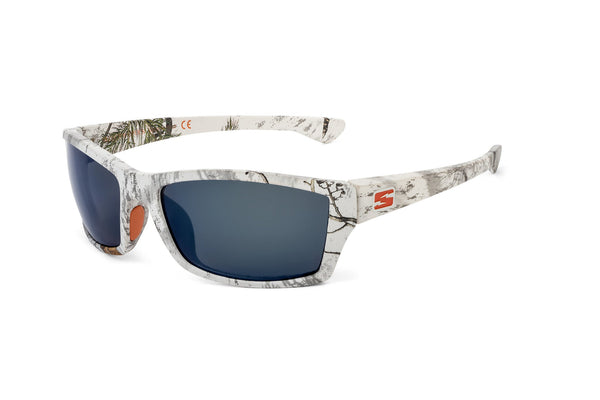
Scout Realtree Xtra Winter Sunglasses
$99.00
The Ghost Dry Bag
$94.99
Mineral Wash Chest Pocket Drop Shoulder Shacket
$34.61
Tin Haul USA 1776-2026 Leather Cowgirl Boot
$362.99
Western Faux Turquoise Oxidized Stamped Hoop Earrings
$18.99
Corded Knit Reverse Seam Patchwork Drop Sleeve Top
$14.56
Rawhide Victoria Leather Cowgirl Boots
$182.99Read next
More from On the Road
The Long Light of the Great Basin
A day's drive across the Great Basin, from the cold of early morning to the evening light at a crossroads motel.

The Lot Never Goes Dark
A traveler sleeps in his truck at a rest area in the Great Basin, where the lights never go out and the coffee tastes like the machine at dawn.

The Cold at Sundown
A clear October night in the high desert — the cold that arrives with the dark, and a satellite crossing an empty sky.