
The Cooler in the Truck Bed
The cooler takes ice at every stop, lets the meltwater run at the roadside, and by day six carries one orange and the last slab of ice.
The cooler is a white plastic chest, the color of old bone, and it rides in the truck bed against the passenger-side wheel well. Its lid is curved, its latches are steel, and the one on the left is held shut with a twisted piece of wire because the plastic hinge cracked the summer somebody sat on it. The plastic has gone dull from sunlight, and there is a faint tire mark across one side from the time it came loose and slid under the truck. We lash it to the tie-down with a piece of rope that is almost too short, and it has not moved since we left the driveway except to slide when we turn.

The routine belongs to the cooler. At every stop — the gas station outside the first town, the store at the junction, the market in the one place we went through — one of us goes inside and comes back with one or two bags of ice. The cold does not last. In the dry heat the bags weep before we are back on the road. The drain plug is a soft rubber stopper on the lower edge. We pull it at the roadside before the new bags go in, and the meltwater from the previous day runs out over the gravel, carrying a smell like cold plastic. The plug goes back, the fresh ice goes in, and for a few hours the chest is cold to the touch on the outside.

On day one it held what we had thought we would need: a loaf of bread, sliced turkey, a block of cheddar, apples, a bag of carrots, two six-packs of soda, a jar of pickles, and the leftovers of the refrigerator we emptied before leaving. A paper bag of things that did not fit was crushed under the first bag of ice. Inside there is a shallow plastic tray, and on day one it held the carrots and the cheese; by the second evening the tray had turned over in the meltwater and the cheddar had gone soft at the corners. The carrots had picked up the taste of the plastic.
By day six, the bread, the turkey, and the soda were gone, checked off in a notebook on the dashboard. What remained was a single apple, one string cheese, a bruised orange, and the jar of pickles, which no one could open with wet hands. The orange rolled against the slab of ice every time we turned, and its peel was scuffed. The ice was a slab the size of a boot, worn smooth at the edges, floating in water that covered the ridges of the bottom and sloshed against the inside of the lid.

The chest carries the marks of its crossings. The high desert has packed its dust into the seams under the latches. The right latch clicks shut; the left one is the wire. A long scratch across the lid is from the time we moved a box spring. The bottom inside is scoured smooth where bags have slid across it. The rope has frayed where it rubs on the metal tie-down. The chest sits low in the bed, on a layer of dust and pine needles, and the thin sheet of water inside slides from side to side each time we take a corner.
From the shop
Picked for this story
Encore Crop Tee in Bone
$34.99
Cowboy Take Me Away Tee
$10.11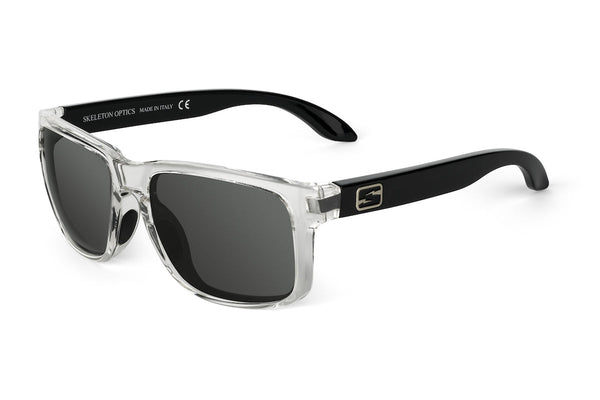
Decoy Polar Edition Sunglasses
$169.00
Western Buffalo Coin Cluster with Faux Turquoise Earrings
$10.99
Solid Corduroy Zip-Up Pocketed Hooded Jacket
$23.45
Western Suede Sherpa Lined Jacket
$27.67
Leopard Patchwork Sleeve Ribbed Knit Scoop Neck Top
$13.95
Solid V-Neck Raw Hem Long Sleeve Top
$13.96Read next
More from On the Road
The Brown Wall Comes Across the Flats
A dust storm rolls over a western highway, and the crossing is blind until the road runs out into a clean, hard sky.

The Last Gas Before the Long Empty
At the edge of the Great Basin, one station stands in the wind, and the sign on its wall says what a full tank is for.

Snow on a Mountain Pass in May
The warning sign at the bottom, the chains behind the seat, the plow coming down, and the decision at the top.